Every 3PL has a death pile. This is how it stops growing.
Hundreds of brand clients under one roof, and the brand's returns system has no connection to your floor. Items show up with no record, get handled by hand, and get shelved when nobody can say what they are or whose they are. Upstream identifies each one, matches it to the client, applies that client's rules, and bills the work.
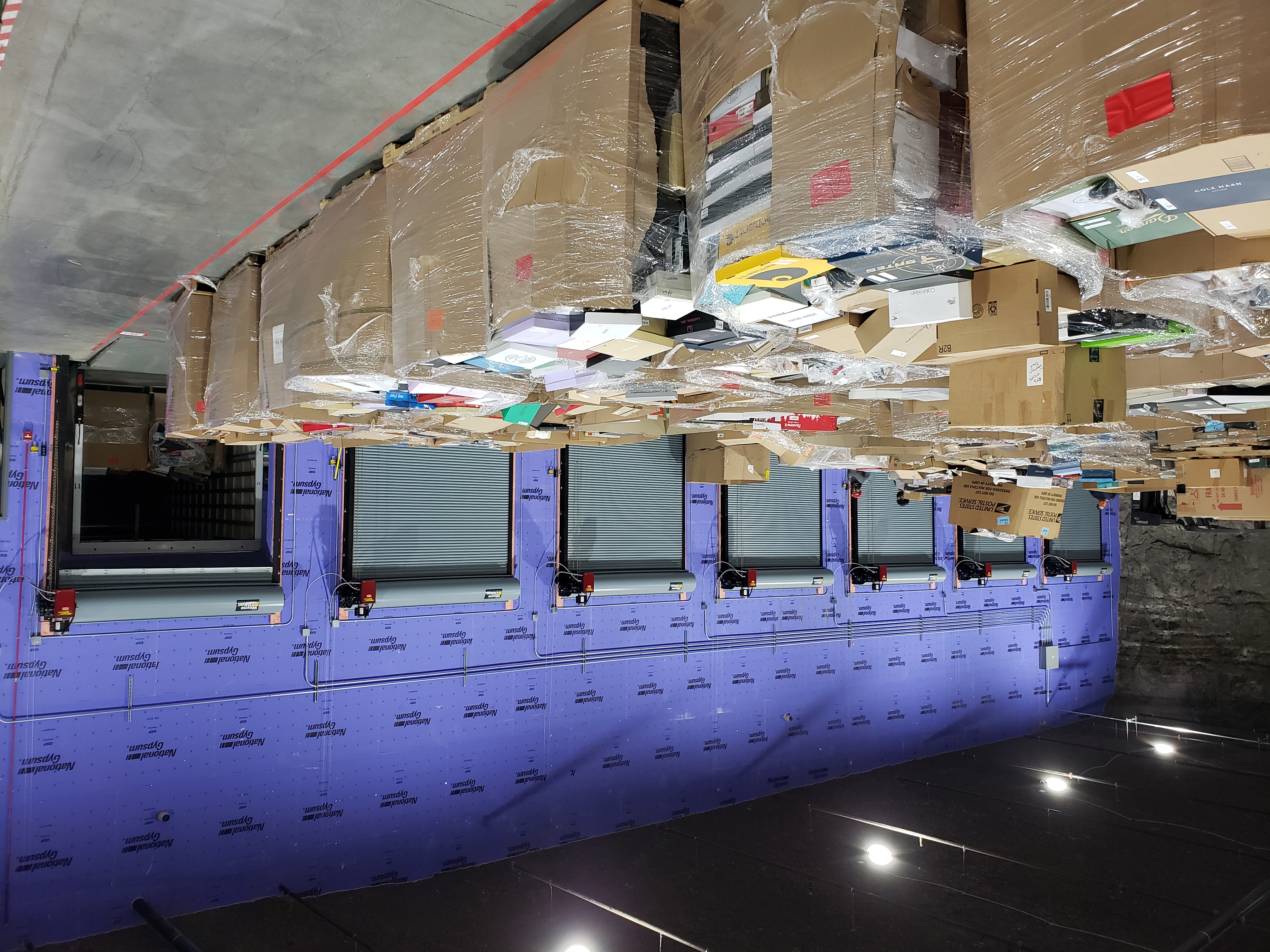 the receiving dock, pallets of blind returns
At the dock, with or without a record
What it is and what it is worth
Where it goes, by your rules
Sold where it recovers the most
Picked and shipped from your system or ours
For a 3PL, every stop applies. Your WMS keeps picking and shipping.
What lands on the floor.
Blind returns
A return arrives for one of your clients. Their RMA system never told you. Someone on the floor has to figure out what it is, who it belongs to, and what to do with it, and the labor is yours.
Overstock a client will not take back
Aged inventory a client would rather not repatriate. It is challenged inventory too, and it comes to whoever handles returns.
The backlog
Pallets of unprocessed returns behind the building. Every 3PL has one. Nobody has been getting through it.
Where it applies.
Blind return identification
A photograph identifies the item and matches it to a client and an order from one export of your WMS, so the return is recorded, billed and dispositioned rather than shelved.
Multi client disposition
Each client's rules applied automatically. Restock, return to vendor, resale, donation or disposal, with the outcome returned to the client.
Consignment and recovery
Inventory the client would rather not take back is sold through the channel with the highest recovery, on your floor, with proceeds returned by rule.
Item level operations, only if you want them
Your WMS already picks and ships. Upstream writes to it. Fulfill is there for the rare 3PL that needs a separate recovery line.
The backlog is where the relationship starts.
Every conversation with a 3PL reaches the same point. I see how you fix it going forward, but what about the pallets already behind me? Quick Start goes through those first. 3 photographs per item, manifested pallets and a Gaylord of sellable units on the other side, and a pile that shrinks from the first day.
How Quick Start works →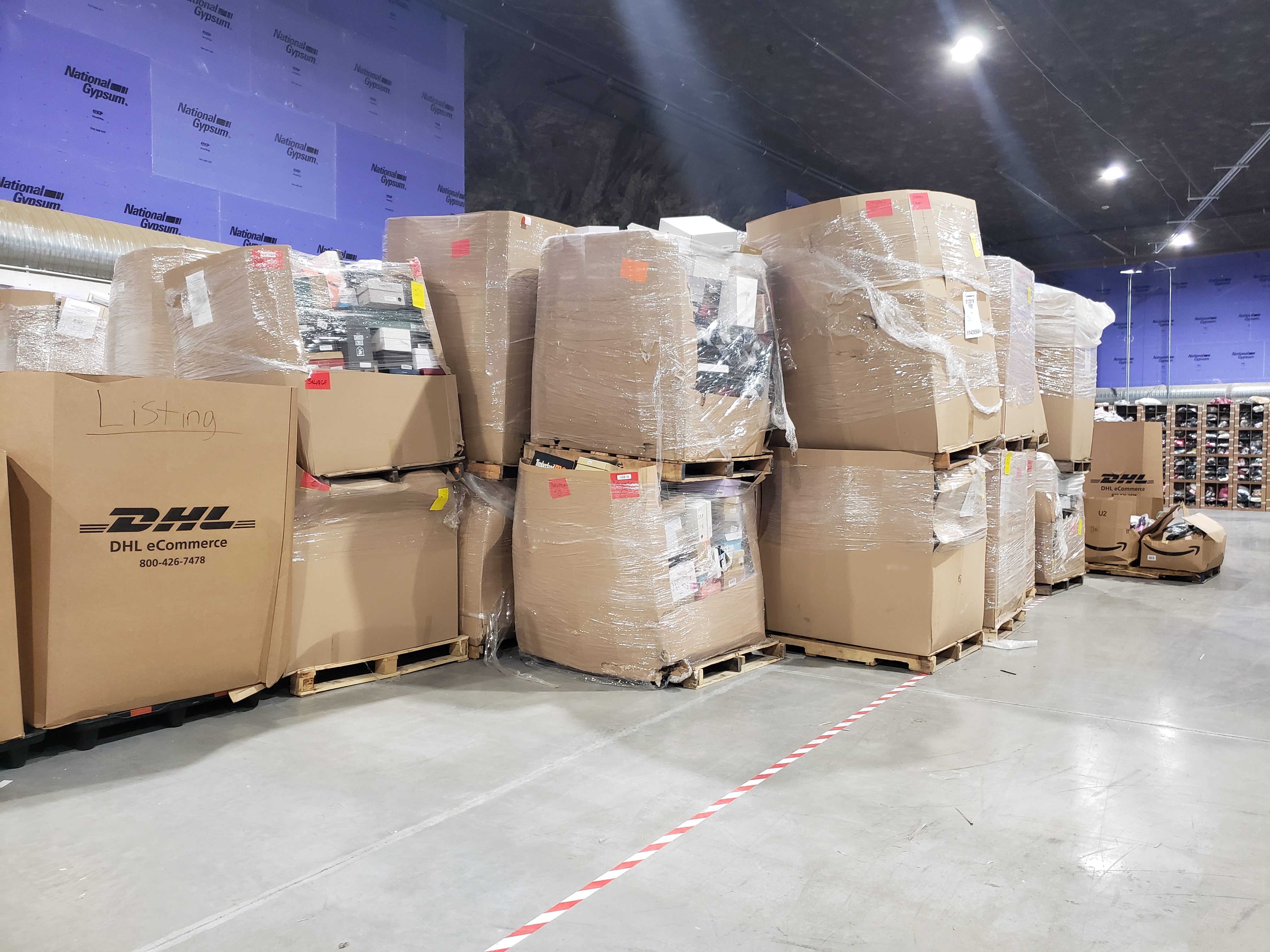 the backlog, pallets of unprocessed returns
With the money and the record.
It is out of the building
The pile is gone and it stays gone, because every item that arrives now gets a decision.
Money, with a per client report
Proceeds come back on a regular schedule with an attribution report. You credit each client and bill the work you used to absorb.
Clients that stay
Returns handled without a phone call is a service brands cannot get elsewhere. The 3PL that solves it grows on it.
Alongside, not instead.
Your WMS keeps picking and shipping
Upstream identifies and decides. Your system finds the unit when it sells and ships it with our label.
One export for attribution
Give Upstream one export of your WMS and every item is matched to the right client from then on.
Start on the backlog
Quick Start needs no integration. The first pass is the pile behind you.
Do we have to integrate our WMS?
No. Quick Start works with 3 photographs and your own serials. One export of your WMS lets Upstream attribute items to clients. An API integration only matters if you want write back.
What do we tell our clients?
That returns are now identified, dispositioned by their rules, and reported with proceeds on a regular schedule. Most 3PLs charge for the work for the first time.
What happens to the items that will not sell?
They are manifested into wholesale pallets or bundled, so they leave too. Nothing sits.
Bring us the pile.
The walkthrough ends with a Quick Start scoped to the pallets behind your building.