Challenged inventory, handled on the floor you already run.
Upstream identifies every returned, unsold or unknown item from a photograph, routes it to the channel that recovers the most, and hands the record back to the systems you already use. Live in days, not quarters.
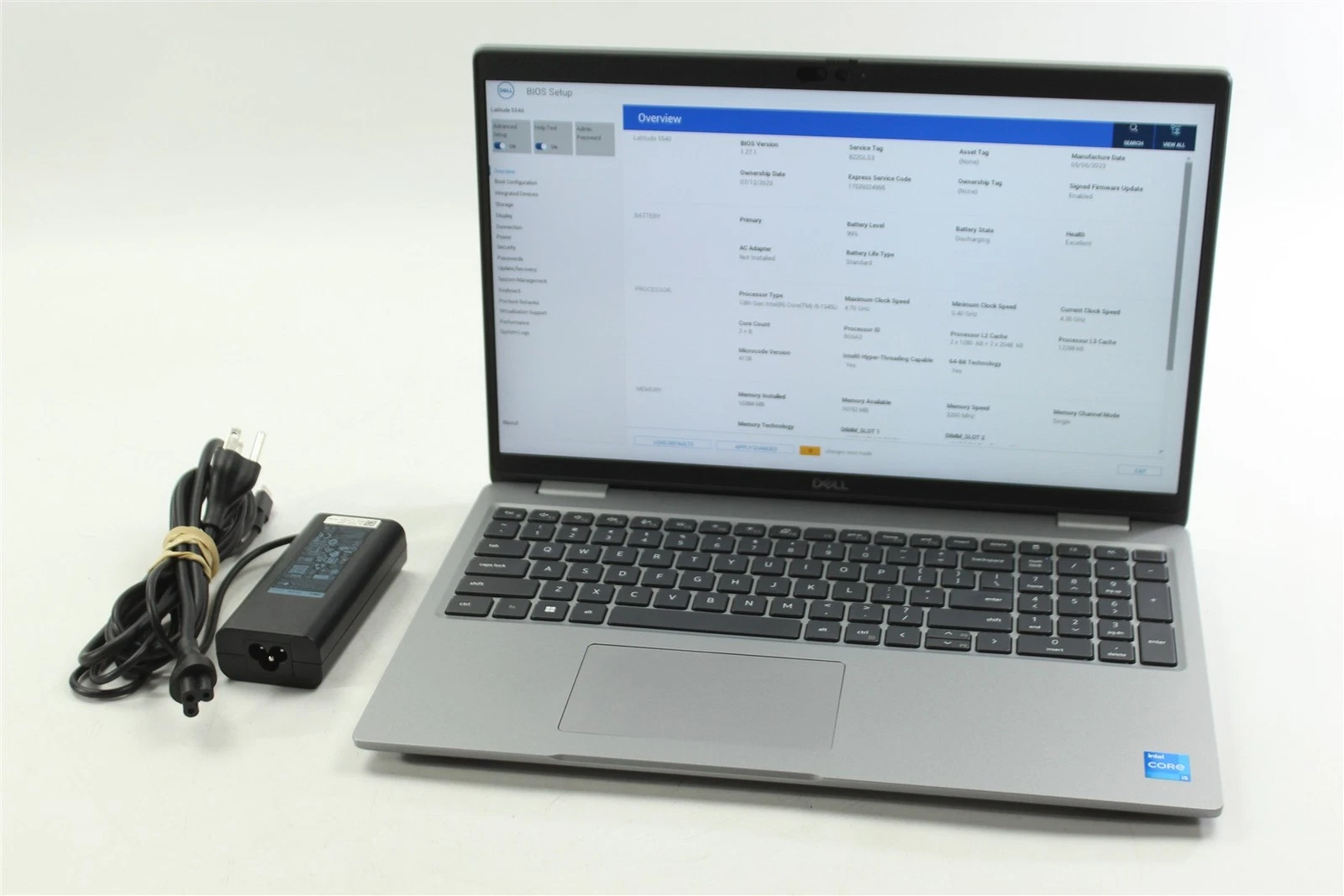
At the dock, with or without a record
What it is and what it is worth
Where it goes, by your rules
Sold where it recovers the most
Picked and shipped from your system or ours
One record follows the item from the dock to the sale.
Most of it arrives without a record.
Returns come back against the order, not the item. Overstock leaves without a plan. In a 3PL, a brand's returns system has no connection to the floor that receives the box. Every one of those items costs labor and space until somebody can say what it is, whose it is, and what it is worth.
Hundreds of clients under one roof.
Returns for all of them, a record for almost none. Handled by hand, shelved when nobody can identify them, and hard to bill.
Every returned item is a decision.
Most of them are made by whoever is nearest. Condition is a guess, disposition is a default, and recovery follows.
Every warehouse runs a different WMS.
Buildings refuse returns because handling them is already too complicated, and overstock sits stranded in forward stock.
Buy the piece you need. Add the rest when you are ready.
Upstream is sold in the order an item moves through a building, and in the order of easiest to hardest to install. Most customers start with Identify, on the backlog, the same week.
Identify
Photograph any item. Know what it is, what it is worth, and whether it sells on its own or belongs in a wholesale lot. Data flows to the systems you already run.
Route and Resell
Your rules decide where it goes. Upstream steps forward and sells it, on your marketplace store or through a resale hub, at the highest value the market will pay.
Fulfill
Item level receipt, put away, pick, pack and ship for the recovery line, alongside your WMS. Only where the volume justifies it.
3 photos. No integration. Live tomorrow.
A site with an existing WMS photographs the item, then photographs its own serial or label. Upstream identifies it, values it, decides what to do with it, and builds the record against that serial. Nothing for your engineers to do and nothing to wait on.
The backlog every operator has behind them is where most customers start. Not after an implementation. Before one.
How Quick Start works →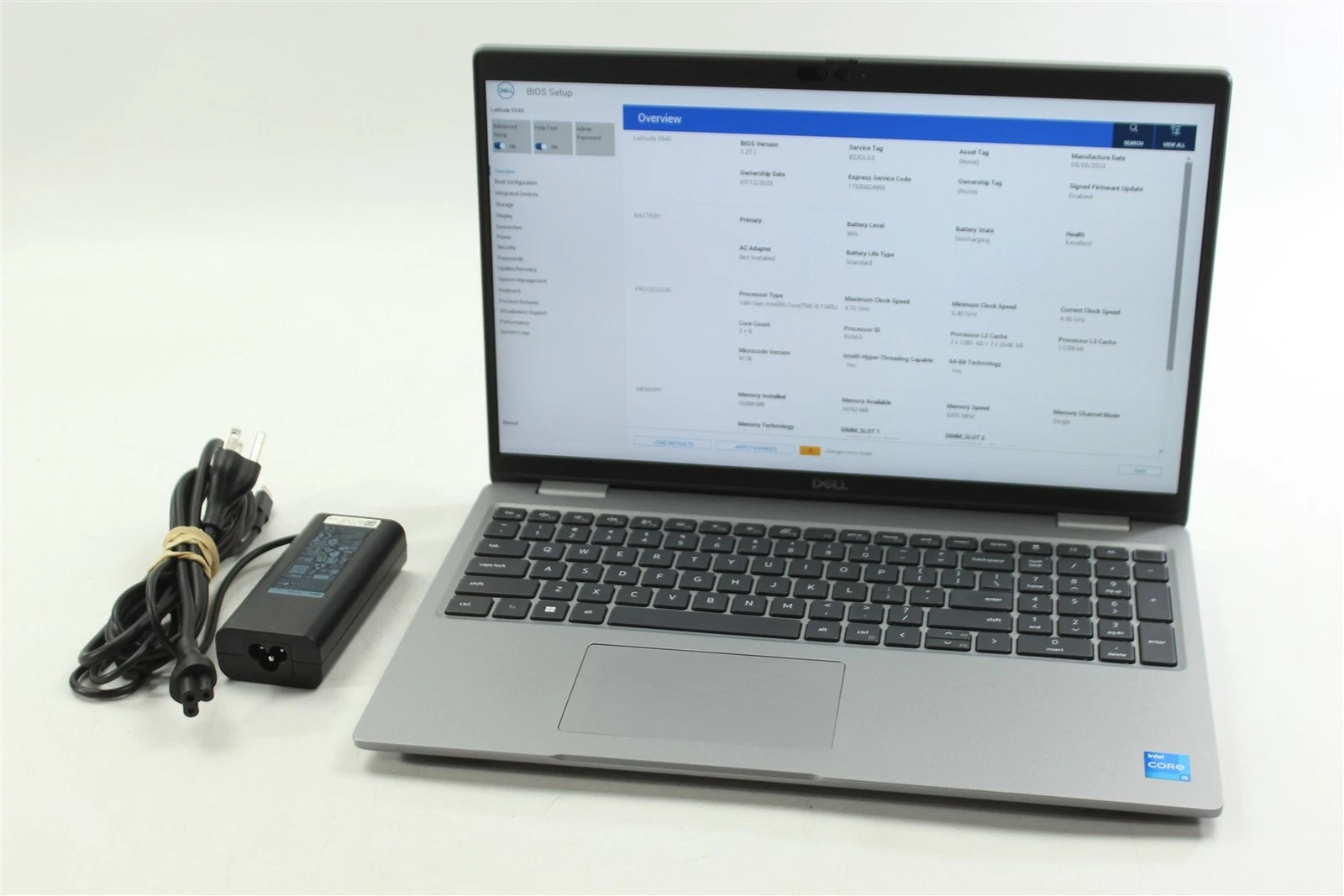
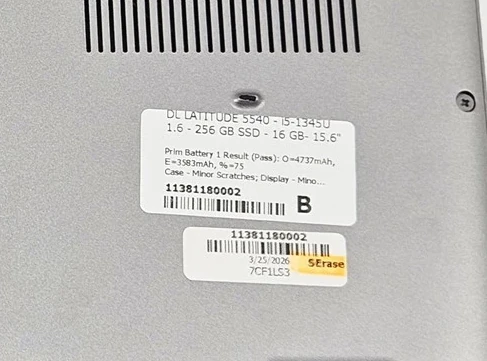
Out of the building, with the money and the record.
It leaves
Every item gets a disposition and a channel. Sellable units are listed and sold. Everything else is manifested into wholesale pallets or bundled until it is worth shipping. Nothing sits.
The money comes back with a report
Upstream can act as seller of record, collect, and return proceeds with a per client attribution report on a regular schedule, so a 3PL can credit each customer and bill the work.
The record lands in your system
Identity, condition, value, basis, decision, location and photographs, written back to the WMS or ERP you already run. No second system of record.
Returns are not a rounding error.
Merchandise expected back to US retailers in 2025
Of annual retail sales returned
Of online sales returned
Returned in 2024, at 16.9 percent of sales
Source: National Retail Federation and Happy Returns, 2025 Retail Returns Landscape, October 15, 2025.
Built for the operator who receives someone else's inventory.
3PLs
Blind returns identified and matched to the client, the client's rules applied, the work billed.
Retailers and brands
Returns and overstock graded at the door and routed to the channel that recovers the most, with your channel rules honored.
Logistics networks
One integration with the business unit. The technology in each building. A return treated as inbound inventory.
Warehouse operations
Floor level processing that feeds a rigid WMS or ERP automatically. Implemented in days.
Liquidators and wholesale
Pull the items worth selling on their own out of the wholesale flow. More margin on what you already do.
Partners
Recommerce baked into your WMS or 3PL platform with one integration, live across your installed base.
Days, not quarters
Quick Start is processing the day after you say yes. Deeper modules install in weeks, not procurement cycles.
Nothing for your engineers
No integration to start. One export for attribution. An API only where you want write back.
Built for the operator receiving someone else's returns
Most returns platforms are sold to the brand. Upstream is built for the 3PL, the network and the floor that actually gets the box.
Channel agnostic
eBay, Amazon, Walmart, Shopify, your own store, wholesale buyers. The data decides the channel, not a contract.
GlobalSKU is the same identification engine, self serve.
Upstream is built for operations with real volume and a floor to run it on. If you are a smaller warehouse, a marketplace seller or a resale shop, GlobalSKU gives you the identification and valuation on its own, from your phone, today.
Bring us your backlog.
A 30 minute walkthrough on a live account, then a scoped Quick Start on the pile you already have.